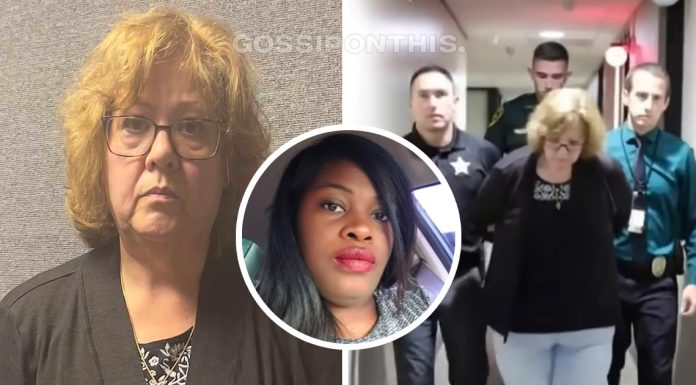
The parents of a 17-year-old girl from Maryland who died in April while having surgery done to have her wisdom teeth removed are suing the oral surgeon and anesthetist for medical malpractice.
Back in April of this year, Jenny Olenick went in for the routine outpatient surgery that is performed on at least 5 million Americans every year.
But unlike millions of others, Jenny died from complications during the procedure … and now her parents are suing the surgeon, Dr. Domenick Coletti, and anesthesiologist Dr. Krista Michelle on allegations that they were negligent and failed to resuscitate their 17-year-old daughter after her heart rate and blood oxygen levels had dropped.
“It’s so hard,” Cathy Garger, Jenny’s mother, told ABC News. “She was the only one we had.”
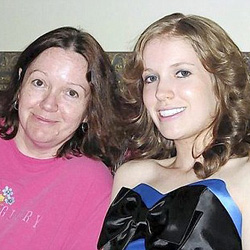
Jenny Olenick’s cause of death at the time was ruled as hypoxia (or deprivation of oxygen) while she was anesthetized.
“Something should have been done at the first sign of the emergency happening,” said Nicole Cunha, a family friend and executive director of the Raven Maria Blanco Foundation (a non-profit group dedicated to protecting pediatric dental patients). “If they hadn’t waited so long, Jenny would still be here.”
The news follows the equally sad story of a 14-year-old boy named Ben Ellis of Gilmer County, Georgia, who was found dead in his bed last Thursday (Dec 8) after undergoing surgery to remove his wisdom teeth less than 24 hours ago. The Gilmer County Sheriff’s Office and the Georgia Bureau of Investigation are still investigating his cause of death.
Contrary to popular belief, wisdom tooth extraction carries risks just like any surgery.
The most common complication is permanent nerve damage causing numbness of the tongue, lips and/or cheeks, which affects over 11,000 people every year, according to a 2007 report in the American Journal of Public Health.
Wisdom tooth surgery complications also include jaw and tooth fractures, and in worst-case scenarios, brain tissue infections and life-threatening bleeding and hypoxia.
With all of the risks, some dentists are questioning whether having the surgery is even necessary at all.
The American Association of Oral and Maxillofacial Surgeons strongly recommends that young adults have their wisdom teeth removed to “prevent future problems and to ensure optimal healing.” But the science supporting prophylactic extraction is thin.
“Third-molar surgery is a multibillion-dollar industry that generates significant income for the dental profession,” Jay Friedman, a retired California dentist, wrote in the American Journal of Public Health. “It is driven by misinformation and myths that have been exposed before but that continue to be promulgated by the profession.”
American dentists and oral surgeons pull 10 million wisdom teeth each year — an effort that costs more than $3 billion and leads to 11 million days of post-operative discomfort, according to the report.
“At least two thirds of these extractions, associated costs, and injuries are unnecessary, constituting a silent epidemic of [physician-induced] injury that afflicts tens of thousands of people with lifelong discomfort and disability,” Friedman wrote.
Wisdom teeth are thought to have evolved for catching, killing and eating uncooked prey, which would make them obsolete now. The argument for prophylactic removal is the risk of cysts or damage to adjacent teeth brought on by too many molars in too little space.
“If left in the mouth, impacted wisdom teeth may damage neighboring teeth and nerves, or become infected, possibly inviting systemic infections and disease as the bacteria travel through the bloodstream from your mouth to other organs of your body,” reads the American Association of Oral and Maxillofacial Surgeons website.
But studies suggest no more than 12 percent of impactions lead to infections or damage to adjacent teeth — roughly the same incidence as appendicitis. No medical associations recommend prophylactic appendectomy.
[ABC News]